
Table of Contents
- How to Pass Driving Test: Master the Fundamentals
- Pre-Drive Vehicle Checks and Readiness
- Common Driving Test Mistakes to Avoid
- How to Prepare for Road Test: The Checklist
- Managing Driving Test Nerves and Building Confidence
- How to Prepare for Road Test: Practice and Technique
- Test Day: What to Expect and How to Perform
- Conclusion
- Frequently Asked Questions
Last Updated: September 25, 2026
How to Pass Driving Test: Master the Fundamentals
Learning how to pass driving test isn't about memorizing rules or hoping you get lucky on test day. It's about building the habits and confidence that make safe driving automatic. Whether you're a nervous teenager preparing for your first road test or an older driver returning to the road after years away, the fundamentals remain the same: vehicle readiness, defensive driving technique, and mental preparation.
This guide breaks down the exact steps to pass your driving test by focusing on what examiners actually look for: smooth vehicle control, awareness of your surroundings, and the ability to follow traffic laws consistently under pressure.
The difference between drivers who pass on their first attempt and those who don't often comes down to one thing: they've practiced the right skills in the right order.
Pre-Drive Vehicle Checks and Readiness
Before you even turn the key, your examiner is already assessing your readiness. A driver who performs a thorough pre-drive check signals competence and responsibility. This step takes less than five minutes but can prevent automatic failure.
Start by walking around your vehicle and checking that all lights are functional: headlights, taillights, brake lights, and turn signals. Look at your mirrors and windshield for damage. Check your tire pressure visually, they should look evenly inflated, not sagging. Sit in the driver's seat and adjust it so your feet reach the pedals comfortably and you have a clear view of the road ahead.
Adjust all three mirrors: the rearview mirror should frame the rear window, and your side mirrors should show a sliver of your vehicle's side along with the road behind you. This positioning reduces blind spots significantly. Check that your seatbelt is accessible and functional. Start the engine and verify that your windshield wipers work. Test your brakes gently before moving.
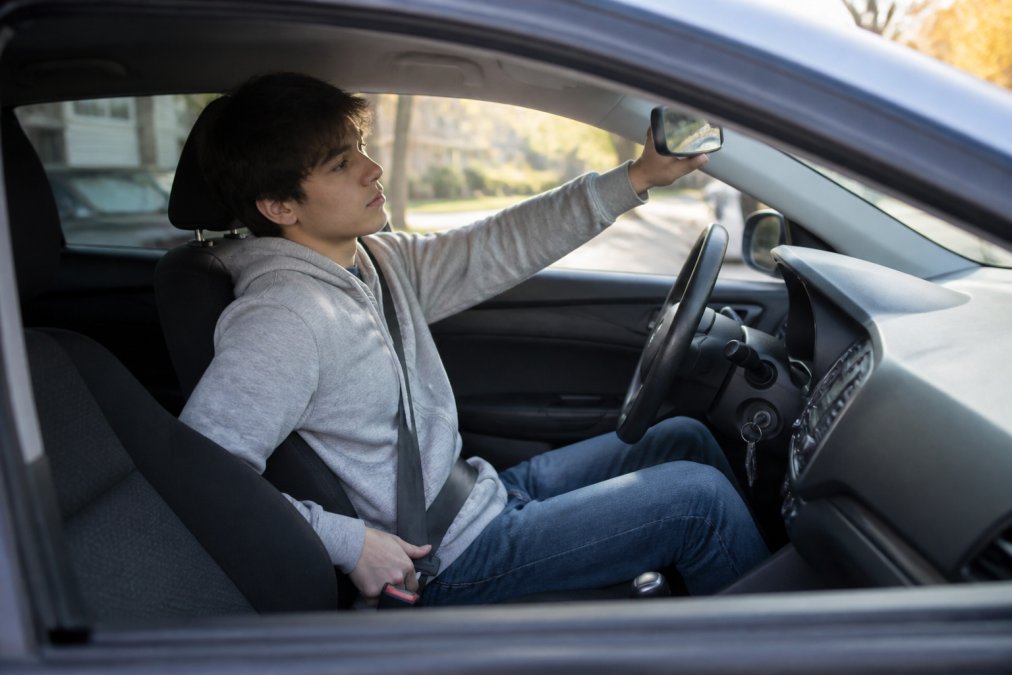
Examiners notice a thorough vehicle check. It demonstrates that you understand the relationship between vehicle maintenance and safe driving.
Common Driving Test Mistakes to Avoid
The most common test failures aren't about complex maneuvers, they're about consistent application of basic rules.
Incomplete stops at stop signs are automatic-fail criteria. Come to a complete halt, count to one second, and ensure the vehicle is fully stopped before proceeding.
Improper signaling is another frequent error. Signal at least 100 feet before turning or changing lanes.
Failing to check blind spots before lane changes or turns is a major oversight. Turn your head and look over your shoulder to confirm, even if mirrors show clear space.
Speeding or ignoring speed limits shows lack of attention to road signs. Stay at or slightly below the posted limit.
Poor lane discipline means drifting between lanes. Keep your vehicle centered in your lane.
Hesitation at intersections can cost you. Know your right-of-way rules: at a four-way stop, the first vehicle to arrive goes first; if two arrive simultaneously, the vehicle on the right has priority.
How to Prepare for Road Test: The Checklist
A structured checklist removes guesswork from your preparation. Use this to track your readiness across the weeks leading up to your test.
| Preparation Area | Action | Frequency |
|---|---|---|
| Vehicle checks | Walk around, test lights, adjust mirrors | Before every practice session |
| Mirror positioning | Rearview and side mirrors set correctly | Every drive |
| Signaling | Signal 100+ feet before turns/lane changes | Every practice session |
| Stop signs | Full stop, count to one, then proceed | Every practice session |
| Speed control | Stay at or below posted limits | Every practice session |
| Blind-spot checks | Head turn before lane changes | Every practice session |
| Intersection awareness | Identify right-of-way, proceed confidently | Every practice session |
| Night driving | Practice in low-light conditions | 2-3 times before test |
| Parallel parking | Practice on quiet streets | 1-2 times per week |
| Feedback review | Discuss what went well and what didn't | After each session |
Work through this checklist consistently. Each practice session should focus on one or two skills rather than trying to master everything at once.
Managing Driving Test Nerves and Building Confidence
Test-day anxiety is real and affects performance through fight-or-flight responses: shallow breathing, tunnel vision, muscle tension, and racing thoughts. You can regulate your nervous system before and during your test using evidence-based techniques.
Pre-Test Nervous System Regulation
Start building confidence weeks before your test by practicing in progressively more challenging conditions: quiet residential streets, then busier roads, then highway driving. Each success signals to your nervous system that you can handle the situation.
The week before your test, prioritize sleep. Your brain consolidates driving skills during sleep cycles, and fatigue impairs judgment and reaction time. Aim for 7-9 hours per night (the CDC). Avoid cramming new skills the day before.
Two to three days before your test, do a "dress rehearsal" drive on the actual test route or a similar route. This familiarizes your nervous system with the environment and reduces test-day anxiety.
Test-Day Techniques: Before You Meet the Examiner
Arrive 15 minutes early. This removes time pressure and gives your nervous system a buffer to settle. Use the restroom, get water, and find a quiet spot.
Use box breathing to activate your parasympathetic nervous system. Breathe in through your nose for a count of four, hold for four, exhale through your mouth for four, hold for four. Repeat 5-10 times.
During the Test: Attention and Presence
Focus on the present moment, not the overall test. When you notice your mind drifting to worry, redirect it to the immediate task: the turn you're about to make, the speed limit ahead, the mirror check you're performing.
Building Long-Term Confidence Through Practice
Confidence is the ability to perform well despite nervousness. You build it through repetition and success. Each time you practice a skill successfully, your nervous system updates its threat assessment.
How to Prepare for Road Test: Practice and Technique
Deliberate practice, focused, structured repetition, builds the skills that matter.
Structuring Your Practice Sessions
Spend your first few practice sessions on fundamental vehicle control: smooth acceleration, gentle braking, and steady steering. Accelerate smoothly without jerking. Brake gradually, not abruptly. Turn the wheel smoothly, not with sharp corrections.
If You Don't Pass: Analyzing Feedback and Targeting Your Retake
If you fail your test, obtain your score sheet or feedback report from your testing authority. View it as diagnostic data, not failure.
Preparing for Your Retake
Most jurisdictions allow you to retake your test after a waiting period (typically 7-14 days). Start practicing immediately after you receive your feedback.
Test Day: What to Expect and How to Perform
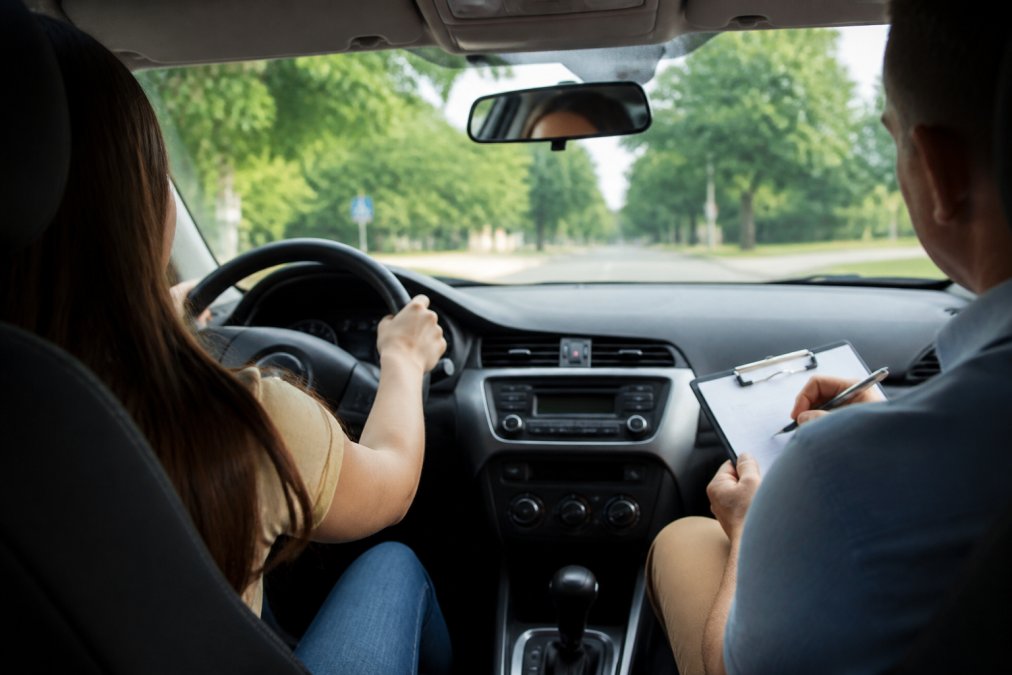
Your test typically lasts 20 to 30 minutes. The examiner will ask you to perform specific maneuvers and navigate through various road conditions to assess whether you can drive safely and follow traffic laws.
Conclusion
How to pass your driving test comes down to consistent practice, vehicle readiness, and mental preparation.
Frequently Asked Questions
What is the most common reason for failing a driving test?
Failure to stop completely at stop signs and improper mirror/blind-spot checks are among the most frequent automatic failures. Many test-takers also fail due to speed control violations, improper signaling, and lack of defensive driving awareness. Examiners watch for smooth, deliberate movements and adherence to traffic laws. Practicing these specific maneuvers repeatedly before your test significantly reduces failure risk.
How can I manage driving test nerves and stay calm during the exam?
Test-day anxiety is normal. Before the test, practice deep breathing and visualize successful maneuvers. During the test, focus on one task at a time rather than worrying about the overall outcome. Arrive early to familiarize yourself with the test route and vehicle. Consistent practice builds muscle memory, which reduces mental load when you're nervous. Many drivers find that structured preparation, including a digital practice log tracking progress, reduces anxiety by replacing uncertainty with confidence. LearnerMiles offers a structured practice log and confidence-building tools.
What maneuvers and skills are typically tested during a road exam?
Most road tests include pre-drive vehicle inspection, mirror and blind-spot checks, proper signaling, speed limit adherence, full stops at stop signs, lane discipline, following distance, intersection navigation, and defensive driving responses. Many tests also include parallel parking or three-point turns. Requirements vary by state and licensing authority. Check with your local DMV or licensing agency for the specific maneuvers required in your jurisdiction before scheduling your test.
How many hours of practice should I complete before my driving test?
Most jurisdictions recommend 50-100 hours of supervised practice before taking your road test, though requirements vary. Quality of practice matters more than quantity, focused practice on weak areas is more effective than unfocused driving time. A structured approach that tracks progress, identifies gaps, and builds confidence over time is more valuable than random practice. LearnerMiles offers a ten-stage progressive learning approach, integrated practice log, and progress tracker to support consistent, deliberate practice with feedback, preparing drivers better than cramming hours in the final weeks.
Ready to structure your practice sessions and track your progress? Explore LearnerMiles's guided lessons and digital practice log at learnermiles.com. You'll get a clear roadmap for what to practice each week, a coach-learner communication agreement that keeps everyone aligned, and the confidence-building tools that help anxious drivers move from nervous to ready. Your test is within reach, let's get you there.