
Quick Summary
Driving after medical condition recovery usually follows four steps: get medical clearance, check your own readiness, build practice gradually, and consider a professional assessment. Legal eligibility, skill, and confidence are separate, so each needs its own check.
- Talk with your doctor first to ask whether driving is safe now and whether restrictions apply.
- Check with your local licensing authority about what you must disclose and whether a medical review is required.
- Start with low-traffic daytime routes you know well, then add complexity slowly.
- Stop practicing if you feel fatigued, confused, or overwhelmed.
- Consider a driving rehabilitation assessment if your self-checks raise concerns.
Table of Contents
Why Driving Again After a Medical Condition Feels Uncertain
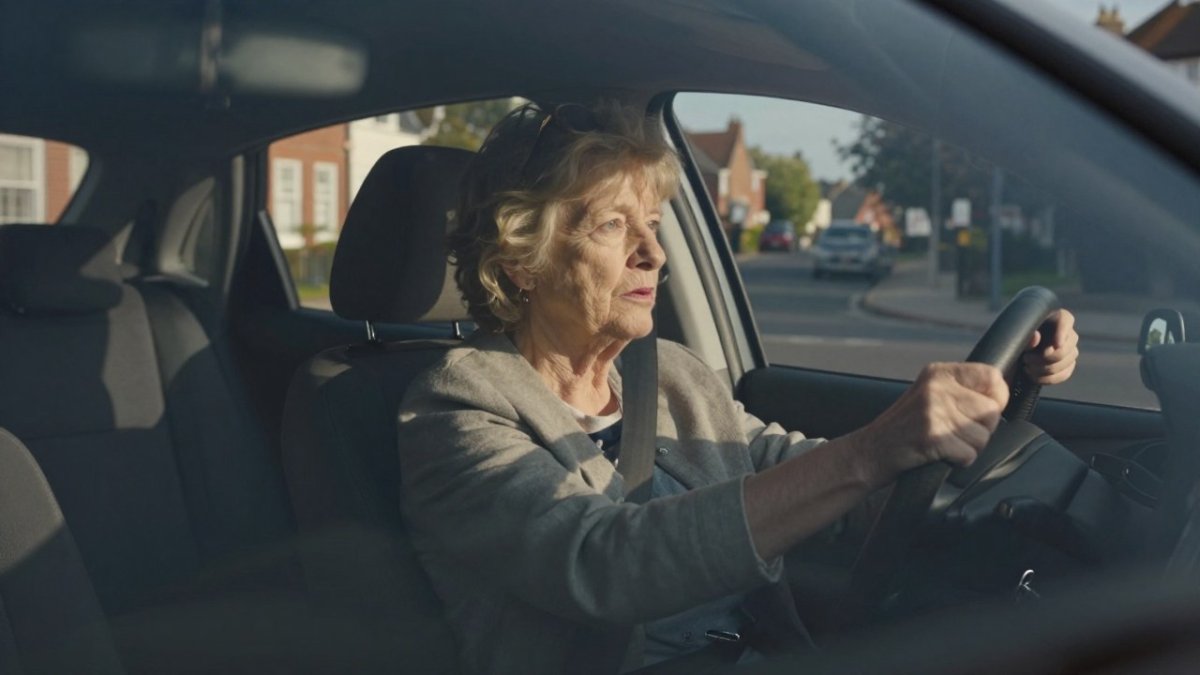
Getting back behind the wheel after an illness or injury can feel like starting over. Many people who have been sick, hospitalized, or recovering from a medical event describe a mix of hope and worry. Their driving skill may still be there, but confidence is often harder to rebuild than skill. A common question is often not "Can I drive?" but "What should I practice next, and how do I know I'm ready?"
This guide explains how to think through that return step by step. It covers medical clearance, self-checks, anxiety, and professional assessment. Rules for driving after a medical condition vary by state, so this article gives general guidance and points you to the local licensing authority that applies where you live.
Think of the return as a series of steps rather than one big decision. Each step answers a different question:
- Has a doctor said it is medically safe to drive?
- Do you have the skills the situation requires?
- Are you comfortable enough to practice safely?
- Do you need a formal assessment or extra support?
Keeping these questions separate helps. A person can be legally eligible to drive yet still need time to rebuild skill. Someone can feel confident in a parking lot and still find highway merging difficult. Treat each answer on its own.
Getting Medical Clearance Before You Drive
Medical clearance comes first. Before you drive again, talk with your doctor or another qualified healthcare professional about your condition, medications, and recovery. Ask directly whether driving is safe now, whether any restrictions apply, and how long you should wait before trying again.
Prepare for that visit with a short checklist:
- List your diagnosis, recent treatments, and current medications.
- Note any vision, hearing, coordination, or attention changes you have noticed.
- Write down the driving situations you want to return to, such as commuting or night driving.
- Ask whether any medications can cause drowsiness or slower reactions.
Reporting requirements differ by jurisdiction. Check with your local licensing authority, which in the United States may be a state DMV or MVA, to learn what must be disclosed and whether a medical review or reexamination is required.
Understanding Driving After a Stroke or Neurological Condition
A stroke, brain injury, or other neurological condition can affect driving in several ways. Common areas of concern include reaction time, attention, vision, memory, and physical control of the car. Some people notice these changes right away. Others discover them only in traffic, which is why a gradual return matters.
Rather than assume you can resume everything at once, consider a staged approach:
- Start in low-traffic areas during daytime hours.
- Practice familiar routes before unfamiliar ones.
- Add complexity slowly, such as busier roads, highways, or night driving.
- Stop practicing if you feel fatigued, confused, or overwhelmed.
Your doctor and, where appropriate, a driving rehabilitation specialist can help you decide which steps fit your situation. Recovery timelines differ widely, so avoid relying on someone else's schedule.
Checking Your Own Driving Readiness
Self-assessment is useful, but it has limits. Use the questions below as a starting point for honest reflection, not as proof that you are safe.
Ask yourself:
- Do I feel alert and focused for the full length of a drive?
- Can I check mirrors, signals, and blind spots without strain?
- Do I notice hazards early, or do I often feel surprised by them?
- Am I able to follow directions and recall routes without stress?
- Do I feel physically steady when turning, braking, or reaching?
If you answer "no" to several questions, consider a professional evaluation before resuming normal driving. Taking a practical step back is a sign of good judgment.
Keep in mind that legal eligibility, demonstrated driving skill, and personal confidence are three separate things. Getting a license back does not automatically mean you feel ready, and feeling ready does not prove you are safe. Honest self-checks plus professional input give the most reliable picture.
Managing Driving Anxiety After Illness
Anxiety after a medical event is common. You may feel tense before a drive, avoid certain roads, or replay near-misses long after they happened. These feelings are understandable. They can also make practice harder if they are not addressed.
Some practical habits can help:
- Practice in short sessions, then stop while things still feel manageable.
- Pick a calm, familiar route for early drives.
- Bring a supportive passenger on early trips if that helps.
- Agree on a simple signal with your passenger for when you want to pull over.
Relaxation exercises belong at home or somewhere safely parked, never while you are moving. If you find that anxiety keeps you from driving or affects your daily life, speak with a licensed healthcare provider. Persistent symptoms deserve proper support, and this guide is educational rather than a substitute for that care. If you want a structured way to work through nerves on the road, see how to overcome driving anxiety with a step-by-step guide.
What a Driving Rehabilitation Assessment Involves
A driving rehabilitation assessment is a professional evaluation of how your medical condition affects driving. A driving rehabilitation assessment is typically carried out by a qualified professional who can examine how a medical condition relates to driving tasks.
To prepare for an assessment:
- Bring your medical records and a list of medications.
- Describe the driving you need to do, such as work commutes or school runs.
- Ask what the assessment measures and what the results will mean for your license.
- Ask about adaptive equipment and training options.
Availability varies by location. Ask your doctor or your local licensing authority which specialists they recognize.
Booking Your Next Steps Toward Safe Driving
Start with the step you are ready for today. For many people, that means a clear conversation with a doctor, followed by honest self-checks and, if needed, a professional assessment. Then build practice gradually, with a plan you can track.
A simple next-step plan might look like this:
- Confirm medical clearance and any reporting requirements.
- Complete a self-assessment and note areas of concern.
- Book a driving rehabilitation assessment if recommended.
- Practice in low-risk settings and log your progress.
- Revisit your plan with your doctor as your condition changes.
Structured practice tools can help you keep track of progress and communicate with a supporting coach or family member. LearnerMiles offers guided practice lessons and a digital practice log for learners and coaches who want to stay organized. These tools support practice and do not replace medical advice, professional assessment, or the requirements of your local licensing authority. You can explore the free First Drive Kit at https://learnermiles.com/?page=firstdrive#first-drive-kit, and, when it suits your goals, review workbook membership at https://learnermiles.com/?page=plans#plans.
Frequently Asked Questions
Do you need medical clearance before driving again?
In many cases, yes. Whether you need formal medical clearance depends on your condition, the treatment you received, and the rules set by your state's licensing authority in the United States. Some conditions require you to report to the licensing authority, and some require a physician's statement before a license is reinstated or kept. Your doctor can tell you whether it is safe to drive based on your symptoms, medications, and recovery. Contact your local licensing authority to confirm what applies where you live, since requirements vary by state.
How do you know when it is safe to drive after an illness or injury?
Safe driving depends on your medical stability, your physical and cognitive abilities, and your medication effects, not on how you feel on a good day. Ask your doctor whether your condition is stable and whether any treatment affects alertness or reaction time. A driving rehabilitation specialist can assess your skills in a controlled setting. Start with short, familiar routes in low-traffic conditions, and stop driving if you notice fatigue, confusion, or loss of focus.
What should you do if you feel too anxious to drive again?
Do not force yourself onto busy roads before you feel ready. Practice relaxation techniques at home or while safely parked, not while you are driving. Begin with a supervised passenger role, then move to short drives with a calm coach beside you. If anxiety keeps you from driving or affects daily life, talk with a licensed health professional who can offer appropriate support. Your local licensing authority can also explain any reporting or testing steps that apply.
Can you ever drive again after a seizure?
Many people with seizure disorders can drive again, but the waiting period and conditions depend on your state's licensing rules and your medical history. Most states require a seizure-free period, often documented by a physician, before driving privileges are restored. Contact your state licensing authority and your neurologist to confirm the requirements that apply to you.
