
Last Updated: November 2, 2026
Quick Summary
Starting driver's ed at 14 in Florida may be possible, but starting a course is separate from getting a learner's license. Eligibility, required courses and permit ages are set by FLHSMV, so confirm the current rules before enrolling.
- Starting a driver education course and qualifying for a learner's license are separate steps with separate rules.
- Confirm with FLHSMV whether a course can be started at age 14 before you enroll.
- Most teens apply for a learner's license at age 15 once eligibility steps are met.
- Verify that any course you choose is accepted by the licensing authority, not just the provider.
- Keep your completion record and identity and residency documents ready for the licensing office.
Table of Contents
- Short Answer: Starting Driver's Ed at 14 Versus Getting a Learner's License
- Florida Teen Driver Education Requirements by Age
- Florida Learner's License Age and Eligibility Steps
- What the 2025 DETS Requirement Changed for Applicants Under 18
- Parent-Supervised Driving Practice for Teens Before Permit Eligibility
- Online Driver's Ed for Teens: What to Check Before Enrolling
- Your Next Step: Build a Practice Plan Before the Permit Age
- Frequently Asked Questions
Short Answer: Starting Driver's Ed at 14 Versus Getting a Learner's License
Starting a driver education course and qualifying for a learner's license are two separate steps, and the rules for each depend on the current requirements set by the licensing authority. Many parents mix them up, and that confusion causes missed deadlines and wasted time.
Think of driver education as one piece of the process. Check them directly before you enroll: Florida Highway Safety and Motor Vehicles teen licensing requirements
LearnerMiles is an independent educational guide. It is not a state-approved driver education course and does not replace required classroom or behind-the-wheel instruction. Use it alongside whatever course your licensing authority accepts.
Florida Teen Driver Education Requirements by Age
Florida sets different rules at different ages. Here is the general pattern, though you should confirm the details with the official source:
- Age 14: Starting early does not mean the teen can drive alone or hold a learner's license yet. Confirm with the licensing authority whether a course can be started at this age.
- Age 15: Confirm with the licensing authority the age at which a teen can apply for a learner's license and the eligibility steps that apply.
- Age 16: Confirm with the licensing authority the requirements for a standard driver license at this age.
Ages are a starting point, not a guarantee. Requirements can depend on school enrollment, whether a course is completed, and whether the applicant has held a permit before.
Florida Learner's License Age and Eligibility Steps
A learner's license is the permit that lets a teen practice driving with a licensed adult in the car. Minimum ages and eligibility steps must be confirmed with the licensing authority, and age alone is not enough, the applicant has to clear several steps, and each one has its own timing. Here is the sequence, with the caveat that the licensing authority confirms the current details.
- Confirm the minimum age. Check the current minimum age with the licensing authority.
- Complete the required course. Confirm with the licensing authority which course is required for your situation before enrolling.
- Pass the knowledge exam. Ask the licensing office which written knowledge test applies and how long a passing score stays valid.
- Gather identity and residency documents. Confirm the accepted document list with the official source before your appointment.
- Get parental consent. Confirm with the licensing office what consent or authorization a minor applicant needs.
- Complete the application and any required screenings. The licensing office will tell you what else applies to your situation.
What Happens After the Learner's License Is Issued
Getting the permit is the midpoint, not the finish line. Two mechanics matter next:
- The holding period. Many learner's licenses must be held for a minimum period before a standard license can be applied for. Confirm the current length with the licensing authority, and mark the earliest eligible date on a calendar.
- Supervised driving practice. Many licensing systems require supervised practice hours before a teen moves to the next stage, sometimes including night hours. Confirm the current hour counts and any night requirement with the licensing authority rather than relying on an older article.
This is also where confidence, not just compliance, becomes the real bottleneck. A teen can log hours and still feel unready, because logged time does not by itself build skill. LearnerMiles offers a coach-learner communication agreement, progressive behind-the-wheel lessons, pre-drive checks, and a digital practice log that can help a parent and teen decide what to practice next. Families who are still weighing how to structure these hours can start with the LearnerMiles guided practice membership, which organizes lessons and progress tracking in one place.
A Simple Age-Based Timeline
- At 14: Start a qualifying course if eligible, and begin low-pressure practice in a parked car and empty lot with a licensed adult.
- At 15: Apply for the learner's license once the course, knowledge exam, documents, and consent are in place.
- While holding the learner's license: Complete supervised practice hours, including the required night hours, and keep a record.
For a closer look at what the knowledge test covers, read our How to Get a Learner's Permit: Step-by-Step Guide. A reader who wants to prepare for the test can also use our Department of Motor Vehicle Practice Test: A Complete Guide to see the topics that appear most often.
The article sets out the main steps to qualify for a learner's license in Florida, with the licensing authority confirming the current details of each.
| Step | What to do | Timing or note |
|---|---|---|
| Confirm minimum age | Check the current minimum age with the licensing authority | Confirm with the official source |
| Complete required course | Confirm which course applies before enrolling | Confirm with the licensing authority |
| Pass knowledge exam | Ask which written test applies | Ask how long a passing score stays valid |
| Gather documents | Check the accepted identity and residency list | Confirm before your appointment |
| Get parental consent | Confirm what consent a minor applicant needs | Confirm with the licensing office |
| Complete application | Complete the application and any required screenings | Licensing office confirms what applies |
What the 2025 DETS Requirement Changed for Applicants Under 18
This is the part of the process that trips up many families, because course requirements can change and older advice may still be circulating. The licensing authority is always the final word.
Licensing course requirements for teen applicants can change over time, and older advice may be outdated. Confirm the current course requirement with the licensing authority. The shift matters for three groups in particular:
- Teens who have not started a course yet. They should confirm the current requirement before paying for anything, because enrolling in the wrong course can mean paying twice.
- Teens who have completed an earlier course. Whether a prior completion still satisfies the requirement depends on when it was earned and the applicant's situation. Do not assume it carries over, ask the licensing office to confirm before the appointment.
- Teens enrolled in a qualifying school program. Some school-based driver education programs satisfy the requirement through the school rather than a standalone course. Confirm with the school and the licensing authority how completion is documented.
A few practical points that older articles tend to miss:
Try the Free First Drive Kit →
- The course name is not the requirement. The requirement is that the applicant completes a course the licensing authority accepts. A provider can call its product anything; what matters is whether it appears on the accepted list.
- Keep the completion record. Whether it arrives as a certificate or an electronic record, you will need it at the licensing office, and replacing a lost record can add delay.
- Timing matters. Ask how long a completion record stays valid before the applicant must apply, and plan the exam and appointment around that window.
Course Logistics and Completion Details
Plan the logistics before you start. Consider these questions:
- Does the course have to be taken online, in person, or either way?
- How long does the course take to finish, and does it have a deadline?
- Does the completion certificate come electronically or on paper?
Ask the course provider to confirm, in writing, that it meets the current licensing requirements.
How to Verify a Course Is Accepted
Verification is a short checklist, not a guess:
- Start at the authority, not the provider. Look for accepted-course information on your local licensing authority's official site first, then match the provider against it.
- Ask the provider for the exact course name and any approval or identification number the licensing office uses.
- Confirm the age group and license type the course serves. A course built for adults returning to driving may not satisfy a teen requirement.
- Get the completion process in writing, how it is reported, how fast, and what the applicant receives.
- Call the licensing office if anything is ambiguous. A two-minute call beats a wasted appointment.
Parent-Supervised Driving Practice for Teens Before Permit Eligibility
Many parents wonder what they can do while a teen waits to qualify for a permit. Supervised practice on private property or in low-traffic areas can build comfort with the car.
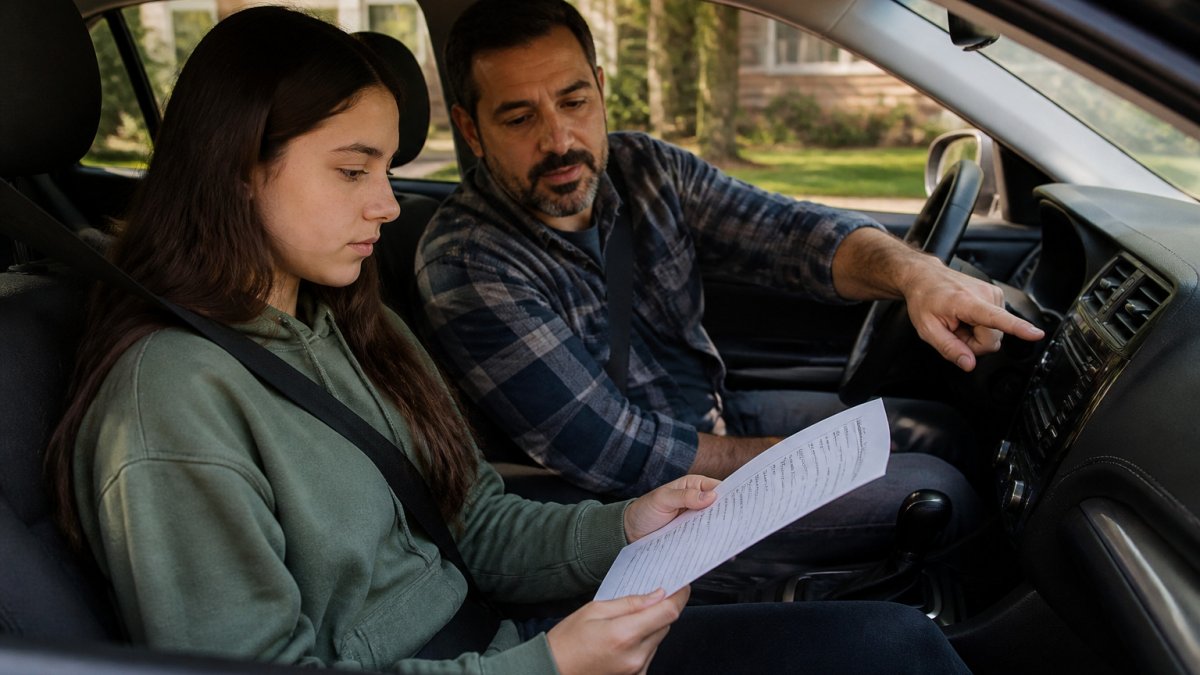
A simple practice plan helps:
- Start in a parked car. Practice mirror checks, seat position, and turning on the headlights and wipers.
- Move to an empty lot. Work on starting, stopping, and steering at low speed.
- Add complexity gradually. Introduce quiet residential streets only after the teen is steady in the lot.
Set clear expectations before each drive. Our Structured Driving Practice for Parents: A 2026 Guide walks through how to build a practice routine that suits your household.
Online Driver's Ed for Teens: What to Check Before Enrolling
Online courses are convenient, but not every online course is accepted. Before you pay, check these points:
- The course is on your local licensing authority's accepted list.
- The provider states clearly which age group and permit types it serves.
- The total price is listed upfront, with no hidden fees.
Read our Online Drivers Ed: A 2026 Guide for Teens and Parents for a full checklist of questions to ask a provider. If you are weighing in-person options against online ones, our Alternatives to Traditional Classroom Driver's Ed guide compares the choices side by side.
Your Next Step: Build a Practice Plan Before the Permit Age
Start planning now, even if your teen is not yet old enough to apply. A few steps today will save stress later:
- Confirm the current course requirement with your local licensing authority.
- Choose a course that your licensing authority accepts.
- Gather identity and residency documents early.
Build a simple practice plan now so your teen arrives at the permit age ready. Explore LearnerMiles' guided lessons and digital practice log at learnermiles.com to organize practice sessions, track progress, and agree on expectations with your teen. For printable practice aids to use between sessions, the LearnerMiles books and printables collection is a convenient place to start.
Frequently Asked Questions
Can you start driver's ed at 14 in Florida?
In many cases, yes. Some applicants under 18 may be able to begin an approved driver education course before they are old enough to apply for a learner's license, depending on current rules. Starting a course and being eligible for a learner's license are separate steps, though. A course enrollment does not by itself qualify a 14-year-old for a permit. Check the current requirements with your local licensing authority and confirm course eligibility with the licensing authority before you enroll.
At what age can you get a learner's license in Florida?
A learner's license may be available starting at a minimum age set by the licensing authority, but applicants must also meet additional requirements. Parents and teens should confirm the current age and documentation rules with their local licensing authority, since requirements can change.
Is driver's ed mandatory in Florida?
For many applicants under 18, a required driver education course may be part of the path to a learner's license. Exact requirements depend on the applicant's age and circumstances and can change over time. Review the current requirements with your local licensing authority. Parent-supervised practice is a separate activity from a formally authorized driver education course and does not replace it.
Does practicing with a parent count as driver's ed?
No. Supervised practice with a parent is valuable for building skills, but it is not the same as a state-approved or formally authorized driver education course. Keeping a practice log or using structured lessons can help organize that practice, but neither replaces required education or proves a teen is ready for a license. Use the official course requirements for licensing and treat home practice as a complement.
